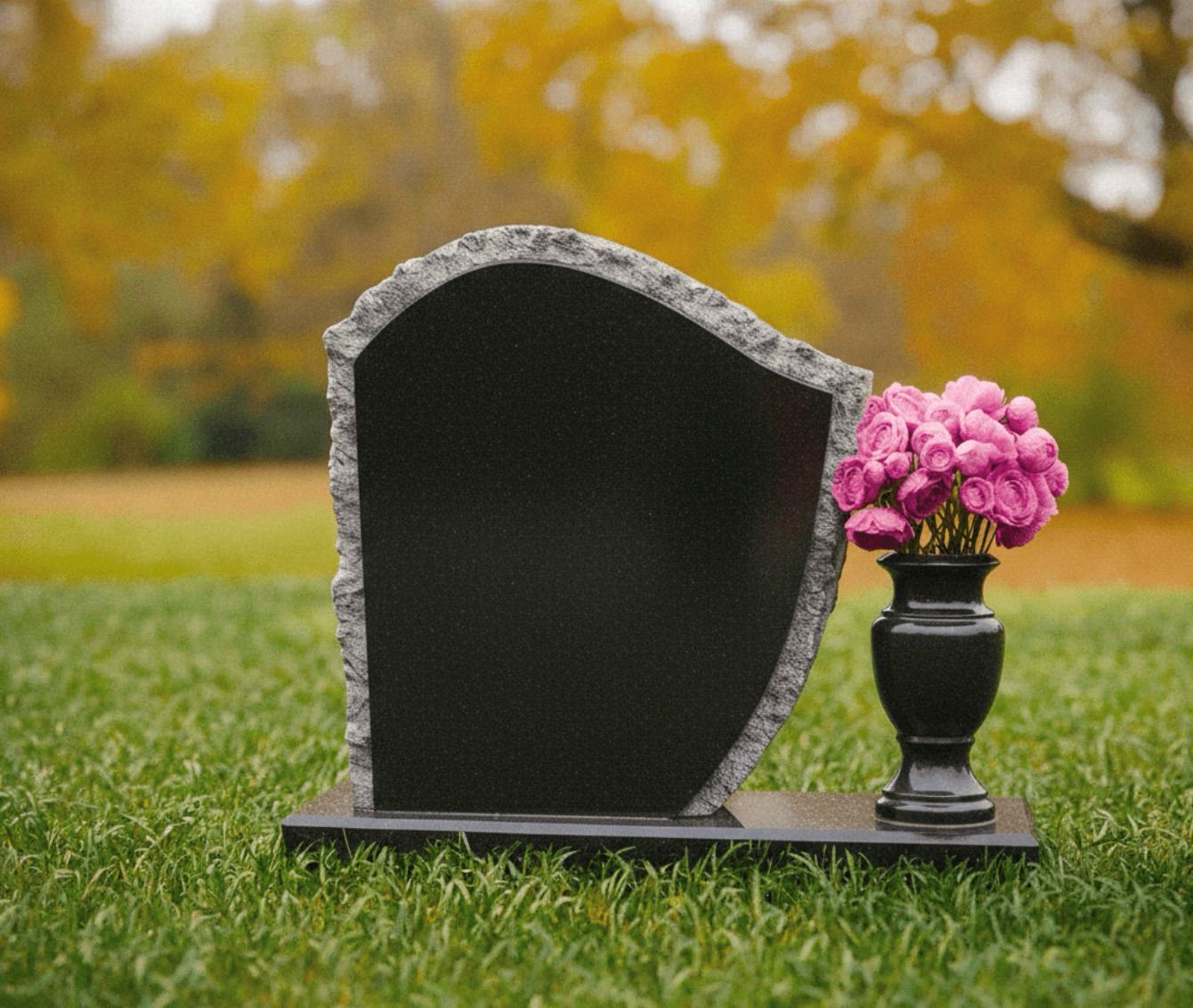
Losing a loved one is undeniably one of the most profound and challenging experiences in human life. In the wake of such a loss, finding meaningful ways to honor, remember, and celebrate the life of the departed becomes a vital part of the grieving and healing process. For centuries, across countless cultures and continents, humanity has turned to the creation of monuments and the offering of nature’s beauty as a primary method of remembrance. Among the many options available for memorializing a family member or friend, headstones with integrated vases have emerged as one of the most popular, practical, and aesthetically pleasing choices.
This comprehensive guide explores the deep-rooted significance of leaving floral tributes, the psychological comfort these memorials provide, the practical and aesthetic benefits of integrated vases, and how to choose the perfect memorial for your loved one.
The Timeless Tradition of Floral Tributes
The act of placing flowers at a gravesite is a tradition that dates back thousands of years. From ancient civilizations placing fragrant blooms inside tombs to modern families bringing seasonal bouquets to a local cemetery, flowers serve as a universal language of love, respect, and remembrance.
Flowers symbolize the fragile, fleeting nature of life, yet their vibrant colors and soothing fragrances offer comfort to the living. They represent the continuing cycle of life and nature’s perpetual renewal. When visiting a gravesite, the physical act of arranging flowers provides mourners with a tangible way to care for the resting place of their loved one, fostering a continued sense of connection. However, without a dedicated receptacle, these beautiful tributes can quickly become disorganized, blow away in the wind, or create maintenance issues for cemetery groundskeepers. This is exactly where the brilliance of a headstone with a built-in vase comes into play.
Bridging Elegance and Functionality
A headstone is meant to be a lasting tribute, standing strong against the test of time and the elements. When a vase is incorporated directly into the design of the headstone—whether carved from the same block of granite, attached securely to the base, or cast in complementary bronze—it elevates the entire monument.
Instead of relying on temporary plastic cones pushed into the dirt, an integrated vase creates a seamless, dignified appearance. It tells a story of thoughtful preparation and enduring love. The memorial remains visually balanced and architecturally complete, ensuring that when flowers are present, they look like an intentional part of the design, and when the vase is empty, the monument still retains its majestic and complete silhouette.

The Practical Advantages of Integrated Vases
While the visual appeal is undeniable, the practical benefits of choosing a headstone with a built-in vase are equally compelling. Selecting this option solves numerous common issues encountered by families who frequently visit and decorate gravesites.
Key Practical Benefits
- Protection from the Elements: Unsecured flowers or lightweight temporary vases are easily knocked over by strong winds, heavy rain, or wandering wildlife. A permanent, heavy stone or metal vase keeps floral arrangements securely anchored, ensuring your tribute remains exactly where you placed it.
- Enhanced Cemetery Maintenance: Cemeteries require regular mowing and weed-whacking. Loose plastic vases or glass jars placed on the grass are often prohibited because they pose a hazard to maintenance equipment and workers. Integrated vases keep the ground clear, making landscaping much easier and ensuring your memorial is not accidentally damaged.
- Prevention of Clutter: Without a designated vase, gravesites can sometimes accumulate an unorganized collection of pots, jars, and faded flowers. A permanent vase provides a specific, tidy focal point for decorations, keeping the memorial looking neat, respectful, and well-cared-for.
- Long-Term Cost Efficiency: While adding a vase to a headstone incurs a slight initial cost, it saves money over the decades. You will not need to repeatedly purchase replacement plastic or metal cones that inevitably break, rust, or go missing.
- Versatility for All Seasons: Permanent vases are excellent for holding fresh water and live flowers during the spring and summer, but they are equally adept at holding artificial silk arrangements, evergreen boughs in the winter, or patriotic flags during national holidays.
Material Selection: Finding the Perfect Match
When designing a headstone with a vase, the choice of material is paramount. The material dictates not only the aesthetic harmony of the monument but also its longevity and maintenance requirements. Below is a detailed breakdown of the most common materials used for memorial vases.
Table 1: Comparison of Memorial Vase Materials
| Material Type | Durability & Weather Resistance | Aesthetic Characteristics | Maintenance Requirements |
|---|---|---|---|
| Granite | Exceptional. Highly resistant to scratching, weathering, and temperature fluctuations. | Matches the headstone perfectly. Available in dozens of colors (Classic Gray, Jet Black, Ruby Red). | Very low. Requires only occasional wiping with water and a soft cloth. Ensure drain hole is clear. |
| Bronze | Excellent. Will not crack or break. Develops a natural, protective patina over time. | Classic, elegant, and traditional. Often features intricate 3D casting and detailing. | Moderate. May require specialized bronze cleaner or protective wax to maintain the original luster. |
| Marble | Moderate. Softer than granite and susceptible to erosion from acidic rain over decades. | Incredibly beautiful, smooth, and classic with natural veining. Often used for sculpted vases. | High. Requires gentle cleaning with pH-neutral solutions to prevent staining and degradation. |
| Metal Cast (Alloy) | Good, but depends heavily on the specific alloy and protective coatings used. | Can mimic the look of bronze or silver at a lower price point. Lightweight. | Moderate. The coating may chip or peel over time, requiring touch-ups to prevent rust. |
As shown in the table above, Granite and Bronze are the undisputed champions of memorial materials, offering the best combination of striking beauty and generational durability.
Design Options: Sculpted, Turned, and In-Ground
The design of the vase itself can dramatically alter the look of the memorial. Monument makers utilize various techniques to create vases that suit different tastes and cemetery regulations.
- Turned Granite Vases:
These are perhaps the most common. A solid block of granite is placed on a specialized lathe and turned into a perfectly symmetrical, smooth, cylindrical or urn-shaped vase. They are typically attached to the base (the “margin”) of the headstone, either on one side for an asymmetrical look or paired on both sides of a companion monument for perfect balance.
- Sculpted Vases:
For a more bespoke and artistic touch, artisans can hand-carve vases from stone. These might feature intricate reliefs of ivy, roses, religious symbols, or draped fabric. Sculpted vases are true works of art that make a memorial completely unique.
- In-Ground / Retractable Vases:
Many modern cemeteries, particularly memorial parks with flush-to-the-ground markers, have strict rules against upright monuments. In these cases, the retractable vase is an ingenious solution. Made usually of heavy-duty metal or bronze, the vase sits inside a submerged canister. When you visit, you simply pull the vase up by a ring, twist it to lock it into place, and arrange your flowers. When you leave or when the flowers die, the vase is inverted and hidden flush with the ground, allowing mowers to pass right over it safely.
Navigating Cemetery Rules and Regulations
Before finalizing any memorial purchase, it is absolutely critical to consult with the cemetery where the interment will take place. Every cemetery operates under its own set of bylaws, which dictate what can and cannot be placed on the grounds.
Some historic or traditional cemeteries allow grand, upright granite monuments with multiple flanking vases. Conversely, many modern “lawn park” style cemeteries strictly mandate flat bronze markers to maintain an unbroken, park-like landscape; in these environments, only retractable, in-ground vases are permitted. Furthermore, some cemeteries have seasonal rules regarding what can be put inside the vases, such as prohibiting glass inserts or banning artificial flowers during the summer mowing season. Always secure a written copy of the cemetery’s monument regulations before ordering your stone.
Care and Maintenance of Your Memorial Vase
To ensure that a headstone and its accompanying vase remain as beautiful as the day they were installed, a small amount of routine maintenance is required.
Drainage is Crucial: The most important feature of any outdoor permanent vase is the “weep hole” or drain hole located at the bottom. This hole allows rainwater to escape. If this hole becomes clogged with dirt, dead leaves, or floral foam, the vase will fill with water. In freezing climates, this trapped water will turn to ice, expand, and can easily crack or shatter even the thickest granite vase. Always check that the drain hole is clear during your visits.
Winterization:
If you live in a region that experiences freezing winters, it is highly recommended to winterize the vase. This involves cleaning out all debris, ensuring it is completely dry, and then either covering the vase tightly with a heavy-duty plastic bag taped securely, or inserting a specialized foam block designed to absorb expanding ice. Retractable vases should simply be turned upside down and stored in their underground canisters during the winter months.
Cleaning:
When washing a granite or bronze vase, avoid harsh, abrasive chemicals, bleach, or stiff wire brushes. A simple mixture of clean water and a drop of mild dish soap, applied with a soft-bristled brush or microfiber cloth, is usually more than enough to remove dirt, bird droppings, and hard water stains.
Conclusion
Choosing how to memorialize a life well-lived is a deeply personal journey. A monument stands as a permanent historical record and a focal point for the grief and love of those left behind. By choosing a headstone equipped with an integrated vase, families are making a decision that perfectly balances profound emotional resonance with highly practical functionality.
Whether you opt for the stately elegance of turned granite, the enduring classicism of cast bronze, or the clever utility of a retractable in-ground unit, a permanent vase ensures that your floral tributes are always displayed with the utmost dignity. It protects your offerings from the weather, aids in the overall maintenance of the peaceful cemetery grounds, and provides a continuous, beautiful canvas for your expressions of love across all the changing seasons of the year.
| Category | Key Advantages |
|---|---|
| Aesthetic Harmony | Creates a cohesive, architecturally complete monument; prevents the cluttered look of temporary plastic pots. |
| Emotional Value | Provides a dedicated, permanent space for mourners to engage in the healing ritual of leaving flowers. |
| Functional Security | Heavy, attached materials prevent wind from blowing tributes away; prevents accidental damage from lawnmowers. |
| Long-Term Durability | Granite and bronze withstand decades of weathering, saving the recurring costs of replacing cheap temporary vases. |
When the time comes to make this important decision, finding a reliable and understanding partner is essential. At Memory Stones, we understand the deep need for high-quality, dignified memorials, which is why we focus on offering highly accessible pricing and rapid manufacturing speeds, ensuring your loved one’s resting place is honored beautifully and without unnecessary delay. A thoughtfully chosen headstone with a beautiful vase is more than just stone and metal; it is a lasting embrace, a permanent vessel for your memories, and a beautiful, practical tribute that will stand the test of time.